
GameSquare’s Chartis Partnership Unlocks Granular Fortnite Creator Measurement

Chief Marketing Officer
New GameSquare and Chartis partnership integrates granular Fortnite UGC creator data into measurement platforms, giving gaming and entertainment brands more precise creator performance insights.
Is your game or gaming brand planning a creator campaign? Learn about our gaming influencer marketing.
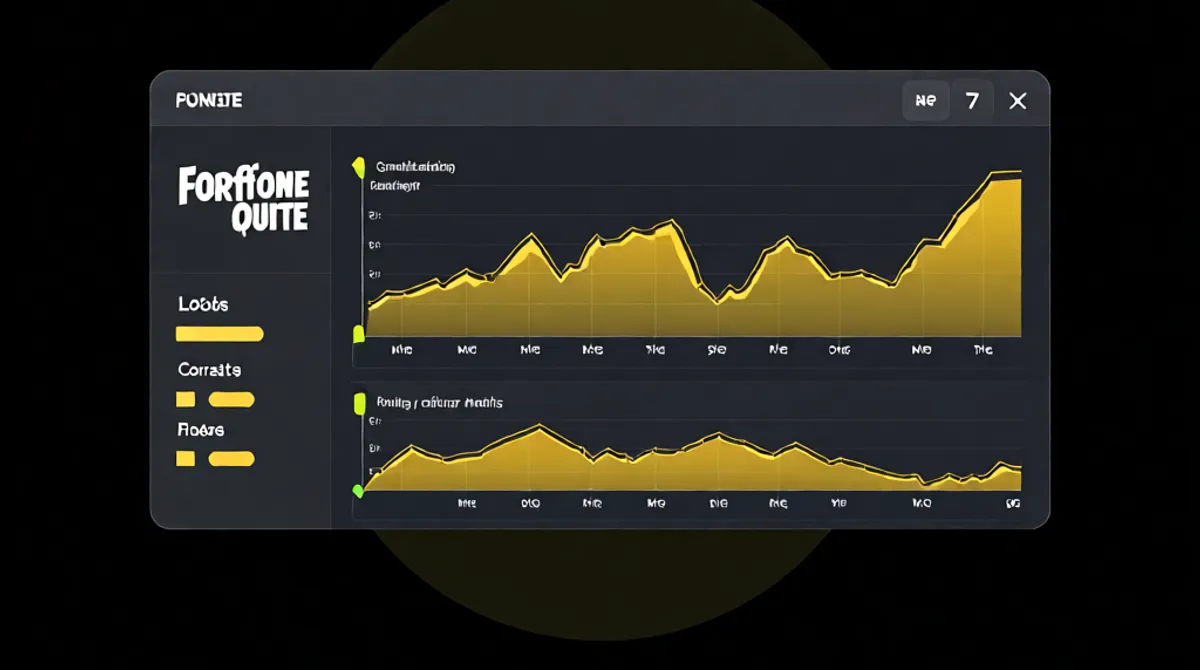
For gaming, esports, and entertainment brands, Fortnite has evolved far beyond a battle royale game into a full-fledged cultural ecosystem, where user-generated content (UGC), live branded events, and creator-led activations drive billions of player interactions annually. For years, however, measuring the true impact of creator partnerships within this ecosystem has been a persistent pain point: Epic Games does not release granular creator performance data publicly, third-party analytics tools are often siloed by platform, and brands have largely relied on creator self-reported metrics or rough engagement estimates to calculate campaign ROI. That gap is the driving force behind the new partnership announced between GameSquare, a leading creator and gaming marketing platform, and Chartis, a UGC analytics firm specializing in gaming ecosystem data. The collaboration will integrate Chartis’ proprietary Fortnite creator data into GameSquare’s existing cross-platform measurement platform, giving brands access to real-time, verifiable performance metrics for creator-led UGC campaigns for the first time, eliminating the need for manual tracking or unverified creator reports.
The move addresses a critical unmet need for CMOs navigating Fortnite’s creator landscape, where UGC experiences have become a staple of brand marketing strategies. From Nike’s custom UGC worlds to Samsung’s creator-led product launch events, brands have poured millions into Fortnite creator partnerships in recent years, but have lacked consistent, auditable data to tie those spends to tangible business outcomes. Prior to this integration, most measurement tools could only track surface-level metrics like social post impressions or follower counts, with no visibility into how many players actually engaged with a creator’s branded UGC experience, how long they spent in the experience, or whether they took desired actions like signing up for a product or visiting a brand’s website. This integration eliminates that blind spot, giving marketers the data they need to justify creator spend and optimize future campaigns.
The Fragmented State of Fortnite Creator Measurement
Fortnite’s unique position as both a game and a user-generated content platform has made it a high-priority channel for gaming and entertainment brands, but its closed-loop ecosystem has long stymied consistent measurement. Unlike open social platforms like TikTok or YouTube, where creator performance data is largely accessible via API, Fortnite’s creator metrics are tied to in-game activity that Epic does not share publicly with third parties. This has left brands relying on a patchwork of tools: social listening platforms to track post performance, manual in-game checks to count experience visits, and creator self-reporting for conversion data, all of which are prone to error and inconsistency. The rise of UGC as a core marketing tactic has only amplified this problem: 62% of gaming brands ran UGC creator campaigns on Fortnite in 2023, per industry surveys, but 78% of those brands reported difficulty measuring campaign ROI accurately. Fortnite’s UGC ecosystem currently hosts more than 500,000 user-created experiences, with top creators driving millions of player visits per month, per Epic Games public disclosures, making the lack of reliable measurement an even greater barrier to scaling investment in the channel.
What the GameSquare-Chartis Integration Delivers
The partnership leverages Chartis’ proprietary data set, which aggregates Fortnite creator activity across UGC experiences, social content, in-game events, and off-platform activations via API partnerships and first-party tracking. When integrated into GameSquare’s measurement platform, this data will be combined with the platform’s existing cross-platform creator analytics, which already covers TikTok, YouTube, Twitch, Instagram, and X, to give brands a unified view of creator performance across all their marketing channels. The integration will pull real-time data on Fortnite creator UGC performance, including engagement rates, audience reach, and conversion metrics tied to in-game and off-platform activations, per early public disclosures from the two companies. For brands, this means they can now see exactly how a creator’s Fortnite UGC campaign performed alongside their social content, and tie that performance directly to broader business goals like website traffic, product sign-ups, or game downloads. The integration is set to roll out to GameSquare’s existing brand clients in Q4 2024, with support for both small-scale creator tests and large, multi-creator brand activations.
Implications for Gaming and Entertainment CMOs
For CMOs in gaming, esports, and entertainment, this integration represents a significant step toward making Fortnite creator marketing as measurable and accountable as campaigns on traditional social platforms. First, it enables more accurate ROI calculation: brands can now tie creator spend directly to in-game engagement and conversion metrics, rather than relying on proxy metrics like social impressions that do not reflect actual player behavior. This is particularly valuable for brands running UGC experiences tied to product launches, game releases, or event promotions, where the ability to track how many players engaged with the experience and took a desired action is critical to justifying campaign budgets. Second, the integration enables more strategic creator selection: CMOs can use the granular performance data to identify creators whose audiences not only have high follower counts, but who actually drive meaningful engagement with UGC content, reducing wasted spend on creators with inflated but irrelevant audiences. Third, the cross-platform nature of the integration allows for better budget allocation: CMOs can see how a creator’s Fortnite performance correlates with their performance on Twitch or TikTok, and shift spend to the platforms and creators that deliver the best overall return.
Early Considerations and Limitations
While the integration is a meaningful step forward for Fortnite creator measurement, CMOs should approach it with clear expectations of its capabilities and limitations. First, the data set is limited by Epic’s API access: private UGC experiences, or experiences with very low player counts, may not be fully tracked, so brands running small, targeted UGC campaigns may still need to supplement the data with manual checks. Second, the integration is focused exclusively on Fortnite for now, so brands with multi-game UGC strategies spanning Roblox, Minecraft, or other UGC-heavy platforms will still need to use separate tools to measure performance across those ecosystems. Third, as with any measurement tool, the data is only as useful as the strategy behind it: CMOs will need to define clear success metrics for their Fortnite campaigns upfront, and align those metrics with broader business goals, to avoid overprioritizing vanity metrics like total UGC visits that do not translate to tangible business outcomes.
FAQ
How does this integration differ from existing Fortnite creator analytics tools? Unlike generic social analytics tools that only track creator posts and follower metrics, the GameSquare-Chartis integration ties creator performance directly to in-game UGC experience data, including player visits, session length, and conversion actions taken inside the experience, giving a full picture of campaign impact.
Will this integration work for small and mid-sized creator partnerships, or only top-tier talent? The integration covers all active Fortnite creators with more than 1,000 monthly followers, per Chartis’ data set, so it is accessible for brands working with micro, mid-tier, and macro creators, not just top-tier talent.
How does this data integrate with our existing marketing measurement stacks? GameSquare’s platform offers API access and native integrations with major marketing measurement tools including Google Analytics, Adobe Analytics, and most major gaming attribution platforms, so the Fortnite creator data can be folded into existing reporting workflows without manual data entry.
Miela Insight
This partnership underscores a core truth we have seen play out across gaming and entertainment creator marketing for years: the most impactful campaigns come from pairing deep, human-centric talent expertise with purpose-built technology that cuts through ecosystem noise. GameSquare and Chartis’ work solves a very specific, very real pain point for brands navigating Fortnite’s sprawling creator landscape, but it is not a replacement for the nuanced understanding of creator audiences, culture, and creative fit that only experienced talent managers can provide. For CMOs, the takeaway is clear: tools that deliver granular, ecosystem-specific data are invaluable, but they work best when paired with human partners who know how to interpret that data in the context of a brand’s unique goals and the creator’s authentic voice. At Miela, we have long built our model around this intersection: our proprietary technology streamlines campaign measurement and optimization, but our team of veteran gaming and entertainment talent managers ensures that every partnership is rooted in cultural alignment and long-term audience trust, not just raw metrics. As UGC and in-platform creator ecosystems continue to grow across gaming, the brands that win will be the ones that leverage both cutting-edge data and human insight to build campaigns that feel authentic to players, not just measurable to stakeholders.
Sources
Related Articles
YouTube CEO Mohan’s AI Bet Reshapes Creator Marketing for Gaming & Entertainment
YouTube CEO Neal Mohan outlined the platform’s AI strategy, with key implications for gaming, esports and entertainment brands working with creators. Miela breaks down the insights.

Yahoo Finance Bets on Creators (2026)
Yahoo Finance’s bet on creator-led journalism signals a vanishing line between journalists and creators.

Top Influencer Agencies in Peru (2026)
Ranking of the most important influencer marketing agencies in Peru in 2026: local specialization, creator networks, measurement and coverage.