
Kai Cenat’s VIVET Launch Underscores

Chief Marketing Officer
Kai Cenat’s new fashion brand VIVET highlights the growing trend of creator-led brand extensions, with key takeaways for gaming.
Is your game or gaming brand planning a creator campaign? Learn about our gaming influencer marketing.
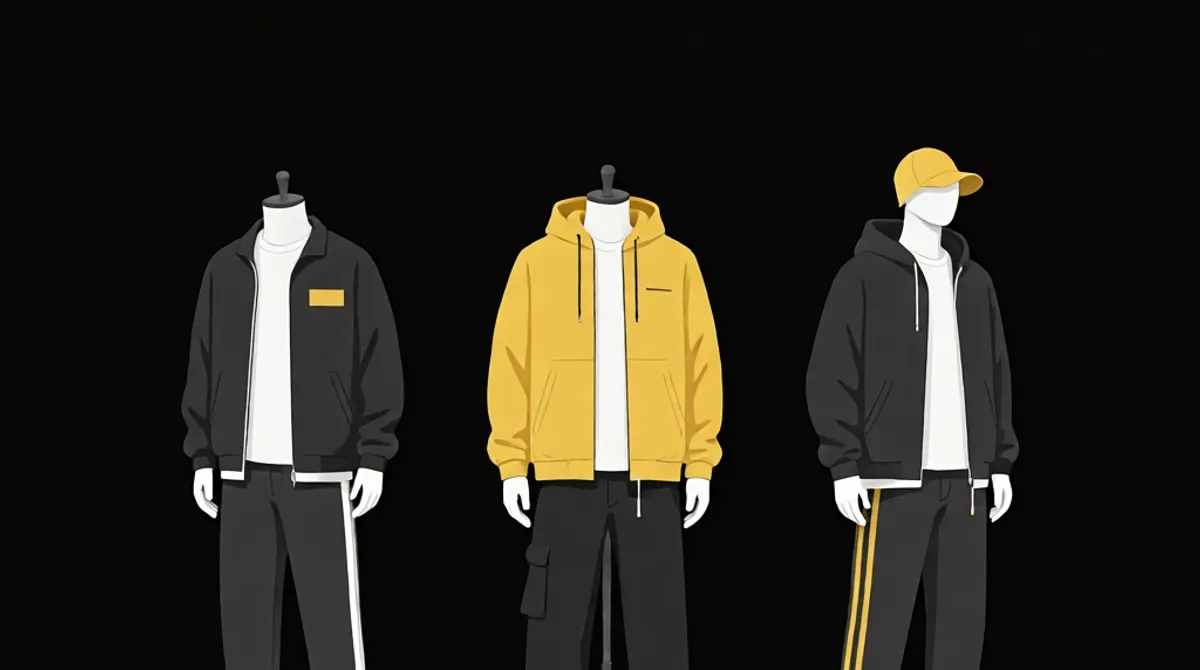
When top global streamer Kai Cenat announced the launch of his standalone fashion brand VIVET earlier this week, the move sent ripples through gaming, esports and entertainment marketing circles, highlighting a growing trend of top creators building owned consumer brands rather than relying solely on platform monetization or one-off brand partnerships. The announcement, first reported by Dot Esports, marks a significant expansion of Cenat’s creator portfolio beyond live streaming and content creation, into a category with direct overlap with the lifestyle and fashion interests of his core audience.
For CMOs and brand directors operating in gaming, esports and adjacent entertainment verticals, Cenat’s move is more than a celebrity side hustle. It signals a shift in how top creator talent is positioning itself as a lifestyle authority, rather than just an entertainment personality, opening new opportunities and competitive pressures for brands looking to align with the demographic that drives growth in these verticals. Unlike traditional celebrity fashion lines, which often rely on broad, generic marketing, VIVET is positioned to leverage Cenat’s direct, unfiltered connection with his audience, an asset that few traditional fashion brands can replicate. Cenat’s cross-platform following, which regularly ranks among the highest for individual streamers globally, provides the nascent brand with immediate access to a massive, highly engaged Gen Z and millennial audience core to gaming and entertainment consumer bases.
The Creator Economy’s Next Frontier: Owned Consumer Brands
For years, creator monetization was limited to platform ad revenue shares, affiliate marketing, sponsored content and limited-run merchandise drops. But in recent years, top creators have increasingly moved to build standalone, scalable consumer brands that operate independently of their content platforms. Cenat’s VIVET launch is part of this wave, joining creator-led brands across categories from food and beverage to beauty and apparel. Standalone creator-owned brands now account for 12% of all new consumer product launches in the Gen Z-focused lifestyle category, per a 2024 report from creator economy analytics firm CreatorIQ, a share that has tripled since 2020.
For Cenat, the move into fashion is a natural extension of his brand identity. His content has long featured streetwear and gaming apparel as core parts of his personal style, and his audience has consistently engaged with his fashion-related posts and past limited merch drops. Unlike traditional celebrity fashion lines, which often rely on licensing deals and minimal creative input from the celebrity, VIVET is expected to be heavily shaped by Cenat’s personal aesthetic, giving it a level of authenticity that resonates with his core audience. This authenticity is a key differentiator for creator-led brands, which can leverage the trust creators have built with their audiences over years of consistent, relatable content.
Creator Audience Trust as a Premium Brand Asset
The core competitive advantage of creator-led brands like VIVET is the deep trust creators have cultivated with their audiences, an asset that traditional brands spend millions of dollars and years trying to build. Unlike traditional advertising, which many Gen Z consumers view as inauthentic or manipulative, creator recommendations are seen as peer-to-peer endorsements from people they follow and relate to. 78% of Gen Z consumers say they are more likely to purchase a product recommended by a creator they follow regularly, compared to 34% who say the same for traditional celebrity endorsements, per a 2024 survey from the Interactive Advertising Bureau.
This trust translates directly to lower customer acquisition costs and higher brand loyalty for creator-led brands. For VIVET, this means that Cenat will not need to spend heavily on traditional advertising to reach his target audience; a single Instagram post or stream mentioning the brand will drive immediate traffic and sales from his existing follower base. For traditional fashion brands, this represents a new competitive pressure, as creator-led brands can enter the market with built-in audience reach and trust that would take years to build through conventional marketing. For gaming and entertainment brands, it also underscores the value of the creator partnerships they already invest in, as the same trust that will drive VIVET sales can also drive sales for co-branded products or sponsored campaigns.
Implications for Gaming, Esports and Entertainment Marketing Leaders
For CMOs in gaming, esports and entertainment, Cenat’s VIVET launch offers both clear opportunities and important strategic considerations. First, it underscores the growing value of top creator talent, who are no longer just promotional assets but potential brand builders with their own revenue streams. This means that top creators will have more leverage in partnership negotiations, and may be less willing to accept low-value sponsorship deals that do not align with their personal brand or audience expectations. CMOs should be prepared to offer more creative control, long-term partnership structures and alignment with creator values to secure partnerships with top-tier talent.
Second, the launch highlights an opportunity for co-creation and co-branding between established gaming and entertainment brands and creators with strong fashion or lifestyle audience overlap. Rather than competing with creator-led brands, gaming and esports brands can partner with creators to launch limited-edition co-branded apparel lines that combine the brand’s existing intellectual property (such as game logos, esports team branding or character art) with the creator’s design sensibilities and audience reach. These collaborations allow brands to tap into the creator’s audience trust without building a standalone fashion line, and give creators a way to partner with established brands rather than competing with them.
Navigating the Risks of Creator-Led Brand Launches
While the trend of creator-led brands presents clear opportunities, it also carries significant risks that CMOs should account for. Unlike traditional consumer brands, which often have decades of experience in product development, supply chain management and quality control, many creator-led brands are launched by teams with limited experience in these areas. 30% of creator-owned consumer brands fail within their first 12 months of operation, per data from retail analytics firm Edited, with supply chain mismanagement, poor quality control and misalignment between the creator’s brand and audience expectations cited as the top reasons for failure.
For brands partnering with creators who have their own product lines, these risks carry over to the partnership itself. If a creator’s brand faces a quality scandal or public backlash, that negative sentiment can spill over to the brand’s own products, especially if the partnership is heavily promoted. CMOs should conduct thorough due diligence on any creator they partner with, including reviewing the creator’s past brand partnerships, audience sentiment and the track record of any existing product lines they have launched.
FAQ
Should my brand adjust its creator partnership strategy in response to Kai Cenat’s VIVET launch? Yes, in part. While one-off sponsored content partnerships still deliver strong ROI for targeted campaigns, Cenat’s move highlights that top creators are increasingly prioritizing long-term brand building over short-term sponsorship deals. CMOs should evaluate whether their existing creator partnerships offer enough long-term value to retain top talent, and explore co-creation or co-branding opportunities that align with both the brand’s and creator’s core audiences, rather than relying solely on one-off promotional posts.
Does VIVET’s launch mean creator partnerships are now more expensive? Potentially, for top-tier creators with massive, highly engaged audiences. As creators build their own revenue streams through owned brands, they have less incentive to accept low-value sponsorship deals, and may command higher rates for partnerships that align with their brand’s values and audience. However, mid-tier and niche creators with highly specialized gaming or esports audiences often still offer strong ROI for targeted campaigns, without the premium cost of mega-creator partnerships.
How can gaming and esports brands leverage the trend of creator-led fashion without competing directly with lines like VIVET? Gaming and esports brands can partner with creators on co-branded apparel drops that combine the brand’s existing intellectual property (such as game logos, esports team branding or character art) with the creator’s design sensibilities and audience reach. These collaborations allow brands to tap into the creator’s audience trust without building a standalone fashion line, and give creators a way to partner with established brands rather than competing with them.
Miela Insight
Kai Cenat’s VIVET launch is a textbook example of the evolving creator economy dynamic that sits at the core of Miela’s work: top human talent, with deep, authentic audience connections, is increasingly positioned to build standalone brand equity that rivals traditional consumer brands. For years, we have seen that the most successful creator partnerships are not transactional, but rooted in aligning a creator’s personal brand and audience trust with a brand’s core values and target demographic. Cenat’s move into fashion underscores that this alignment is now a two-way street: creators are not just promotional assets for brands, but potential brand builders in their own right, with audiences that are eager to support their product extensions.
Our approach at Miela combines deep, human-first talent management with proprietary technology to identify these alignment opportunities before they become mainstream trends. We work with both brands and top creators in gaming, esports and entertainment to build long-term, mutually beneficial partnerships that go beyond one-off sponsored content, whether that means co-branded product drops, long-term ambassadorship programs or collaborative content strategies. We do not view creator-owned brands as competition for our brand partners; instead, we see them as a signal of the growing value of authentic audience connection, which is the core of every successful creator marketing strategy. By combining our deep network of top gaming, esports and entertainment creators with our technology that measures audience sentiment and alignment at a granular level, we help brands build partnerships that feel authentic to audiences, drive measurable ROI, and stand out in an increasingly crowded creator marketing landscape.
Sources
Dot Esports: Kai Cenat is taking his creator career into fashion with VIVET - Dot Esports
Complex - Kai Cenat Announces Vivet's Inaugural Fashion Show in New York City - Complex
Rolling Out - Kai Cenat launches Vivet instead of quitting streaming - Rolling Out
Related Articles
Samsung $15M Fine Over Misleading Galaxy Gaming Performance Raises Hardware Transparency Questions
Samsung faces a $15.1M fine for throttling Galaxy S21/S22 gaming performance, a case underscoring the importance of transparent hardware claims for gaming and entertainment brand creator partnerships.
AI Is Not Coming for Your Job. It Is Coming for Your Excuses.
Agentic AI is removing repetitive marketing operations. What remains valuable is judgment, cultural context, agent direction and trust.
October 2026 Gaming Industry Shifts: BioWare Closure, Roblox Insights and Esports Upsets
October 2026 brought major gaming industry shifts: EA's BioWare closure, Roblox executive playtime data release, esports upsets and viral game breakouts. Insights for CMOs and brand leaders.