

Chief Marketing Officer
The Second Screen Effect: How Gaming and Sports Audiences Changed the Way They Watch Live Content
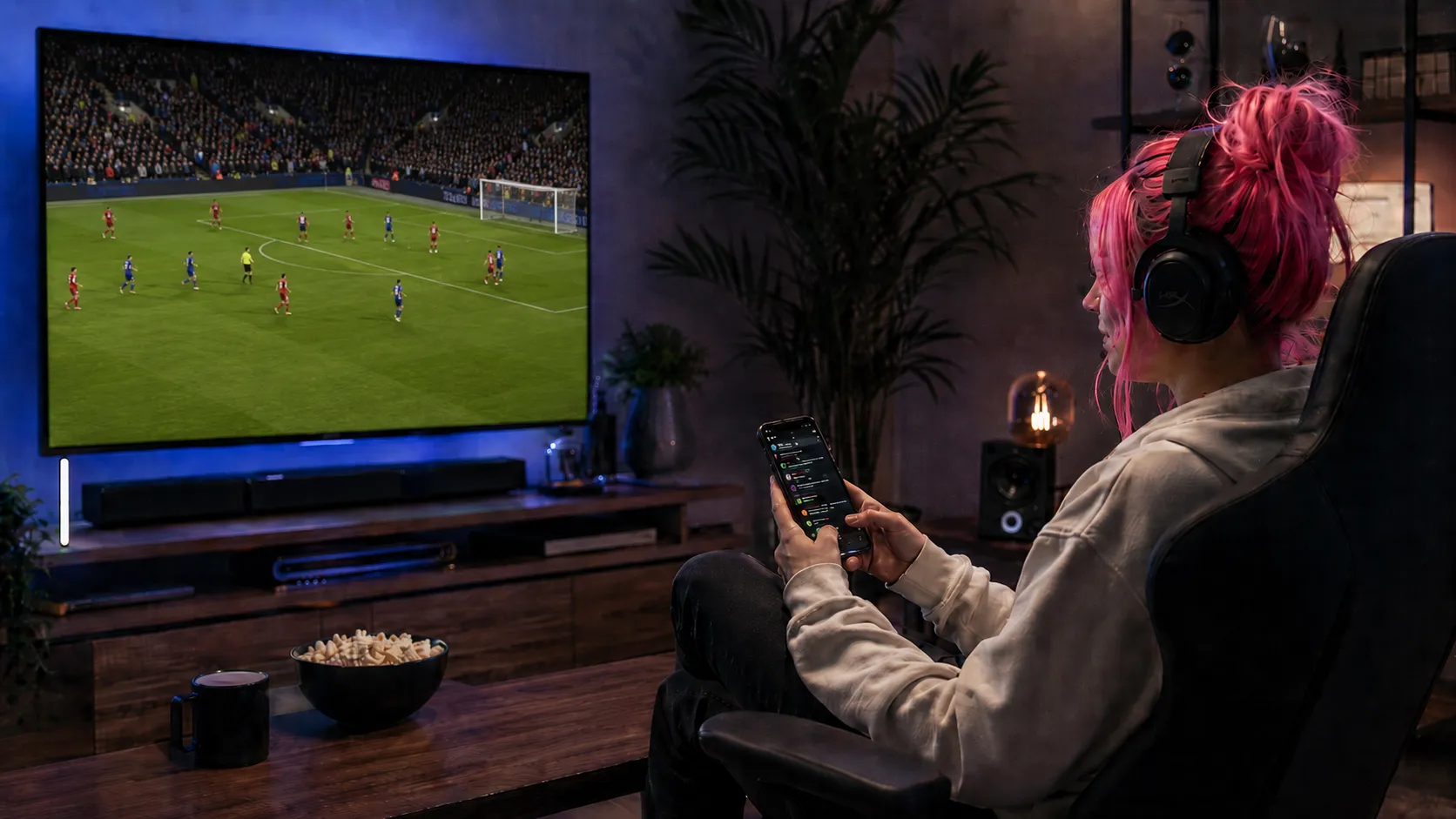
Gaming and sports audiences now experience live content across multiple screens, combining broadcasts, chats, clips, memes, real-time stats, and social conversations.
For years, watching live content was mainly a passive experience. People sat in front of a television, followed a match, watched a tournament, or consumed a broadcast from beginning to end. Today, that behavior has changed.
Gaming and sports audiences now experience live events through more than one screen. A football match, an esports final, a Twitch stream, or a live tournament can be followed alongside group chats, social media, short-form clips, memes, real-time stats, prediction platforms, Discord servers, and creator reactions.
The audience is watching, commenting, comparing, predicting, sharing, and participating at the same time. This is known as the Second Screen Effect.
What Is the Second Screen Effect?
The Second Screen Effect describes the habit of using another device while consuming live content. In gaming and sports, this can mean watching an event on one screen while using a phone, computer, tablet, or second monitor to interact with related content.
A fan may watch a match on TV while checking reactions on X. An esports viewer may follow a tournament on Twitch while discussing plays on Discord. A player may watch a creator's stream while searching for builds, codes, tips, or community reactions. A sports fan may check statistics, odds, memes, and highlights while the match is still happening.
The live event becomes one part of a much wider digital experience.
Why Audiences Consume Content This Way
The second screen exists because audiences want context. They want to know what others are thinking. They want instant reactions. They want memes as soon as something important happens. They want to compare opinions, follow predictions, and feel part of a collective moment.
In gaming and sports, emotion moves fast. A goal, a clutch play, a comeback, a mistake, a controversial decision, or an unexpected result can create thousands of reactions in just a few seconds. The second screen gives audiences a social space to process that emotion.
Watching an event feels more complete when there is a conversation happening at the same time.
Live Content Has Become a Conversation
The most important shift is that live content is no longer limited to the main broadcast. A match also happens on social media. A tournament also happens in live chats. A stream also happens through the clips, memes, and conversations that appear around it.
The event expands across platforms. A single moment can become a clip, a meme, a debate, a reaction video, a poll, a prediction, a Discord discussion, and a short-form trend. The audience builds layers of meaning around the original event.
This changes the value of live content. The broadcast remains important, but the conversation around it gives the moment a longer life.
The New Digital Stadium
Sports have always had stadiums. Gaming created its own version through chats, servers, streams, and online communities. The second screen is turning every live event into a digital stadium.
In a physical stadium, fans shout, celebrate, complain, laugh, and react together. Online, something similar happens through comments, emotes, clips, memes, and instant messages. The difference is scale. A digital stadium can bring together people from different countries, languages, time zones, and platforms.
That is why live chats, Discord channels, and social conversations are now part of the event experience.
Why Short-Form Content Moves So Fast
The second screen also explains the power of clips in gaming and sports. Audiences want the key moment immediately. They want to share it while the emotion is still active. They want the goal, the reaction, the win, the celebration, the highlight in a fast format.
A good clip is more than a summary. It is a social piece of content. People use it to say: "Did you see this?" They use it to enter the conversation. They use it to participate even if they missed the live moment. This gives live content a second life outside the original broadcast.
What This Means for Brands
For brands connected to gaming, sports, iGaming, trading, or prediction markets, understanding the second screen has become essential. The audience is more fragmented, but also more active than ever. People move between platforms, react in real time, and build their own interpretation of the event while it is still happening.
This creates a different challenge for brands. Presence alone is no longer enough. Brands need to understand where the conversation happens, how it moves, what type of content works on each platform, and how audiences behave during live moments.
Many of the strongest opportunities appear in the spaces surrounding the main event.
The Future of Live Attention
The future of gaming and digital sports will be shaped by more than broadcast rights or large-scale event production. It will also depend on who understands audience behavior around live content.
The second screen has changed the role of the viewer. People participate, react, create, and help define how a moment is remembered. In this new environment, every match, stream, tournament, or live event becomes bigger than the screen where it begins.
At Miela, we understand how gaming and sports audiences behave across platforms. We help brands design strategies that connect with audiences where they are most active: on the second screen. Discover how we turn live attention into measurable results at miela.cc
Related Articles
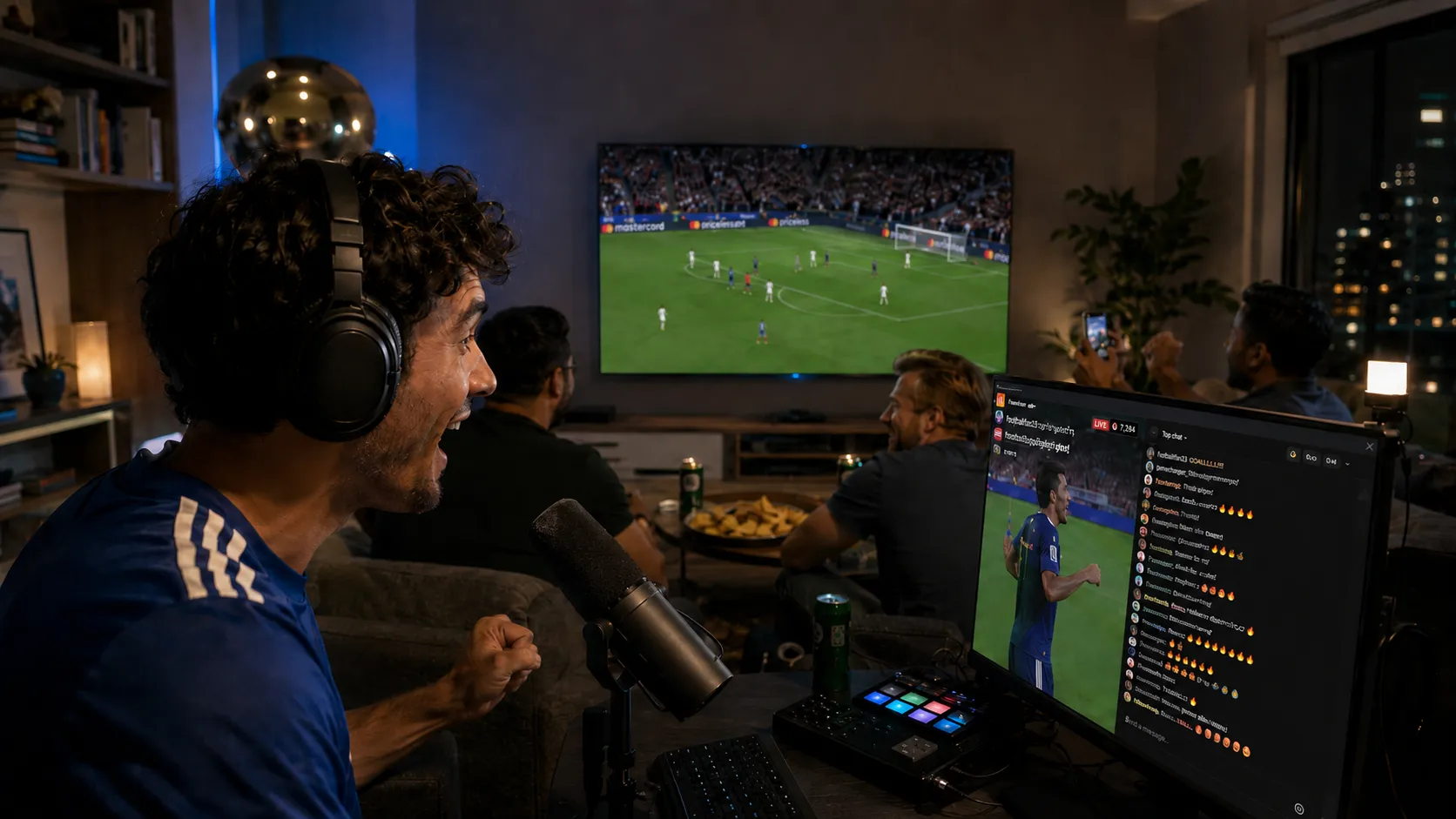
The FIFA World Cup Is Already Underway: Why Influencers Are Key for Brands
The FIFA World Cup 2026 is already underway, and influencers are turning each match into a shared streaming experience, creating strong visibility opportunities for brands.
How to Identify Creators Who Generate High-Value Users
The best creator is not necessarily the one who generates the most registrations, but the one who attracts the highest-value users. Learn how to identify them.
Why Clips Go Viral and How to Position Your Brand in Them
Short-form clips have become one of the most powerful tools for both creators and brands. Learn how to position your brand within viral moments before they happen.